
Free educational consultation
Educational Consultant for Parents
When school concerns are hard to sort through on your own, bring the question in front of you and leave with a clearer way to approach the next conversation.
Choose a time that works for you, then bring the part of school life that needs a clearer next step.

Start with the concern behind the paperwork.
Parents often know when something at school is not adding up, even when the documents look complete. Your child may be working much harder than expected, avoiding an accommodation, coming home discouraged, or struggling to explain what feels difficult. You may have an IEP or 504 plan in hand and still be unsure what it should look like in a normal week.
An educational consultation gives you room to slow that down. Wales Education Consulting helps you turn observations, school notes, and broad concerns into a more focused next step. The goal is not to make you memorize procedures or carry every part of the process alone. It is to help you prepare for the conversation that can make a difference for your child now.
Before a school meeting
Know what you want to understand before the room gets busy.
A meeting notice can make every concern feel equally urgent. Parents may arrive with a full folder, a long list of notes, and no clear way to decide what belongs at the center of the conversation. That can make it difficult to hear useful answers when the discussion moves quickly.
Use a consultation to decide which questions deserve attention first. You might want to clarify a goal, understand how a service is being delivered, ask when an accommodation should be available, or find a comfortable way for your child to share their perspective. A focused plan for the meeting gives you a better chance of leaving with specific next steps.

Practical support
Bring the school question that needs more clarity.
An IEP or 504 plan that is hard to picture in practice
Talk through the parts of the plan that need a clearer connection to your child's actual classes, routines, and school day.
A school conversation that feels important but unclear
Organize the details you are noticing and choose questions that make it easier for school staff to give a useful answer.
A student who needs more room to be heard
Find a realistic way for your child to name what helps, what is difficult, and what they want adults to understand.
A change that has made school feel harder
Sort through what has shifted, what information would be helpful, and which conversation is the right place to begin.
Use what you already know about your child.
You do not need the perfect educational term to raise a useful concern. Parents often have the details that matter most: how long homework takes, what a child says after a difficult class, whether a support is actually being used, or what changes after a new schedule, teacher, or school year. Those details can point toward a more productive question than a general request for help.
Wales Education Consulting brings more than 30 years of special education experience and thousands of conversations with students, families, and educators to that work. The consultation is practical by design. Together, you can separate the issues that need attention now from the ones that can wait, identify information you may want to gather, and decide what a useful outcome from the next school conversation would look like.
Some families are preparing for an IEP meeting. Others are trying to understand whether an existing 504 plan is helping in everyday classes. Some are beginning with a child's growing frustration and need help finding a calm way to raise it. The starting point can be different, but the purpose stays the same: help you move from a broad concern to a next step you can use.
Make the next conversation more useful for everyone.
The point of preparing is not to arrive with a script or turn a school meeting into an argument. It is to make space for a clear conversation about the student. When a parent can name what they are seeing and what they want to understand, teachers and school staff have a more concrete place to respond. That can be more useful than trying to cover every concern at once.
A consultation can help you think through the difference between a question that needs an immediate answer and one that needs more information first. For example, you may want to ask how a stated accommodation works during a particular class, what progress data is showing, or who should follow up after the meeting. You may also need to decide how to describe a pattern you are seeing at home without losing the detail that makes it important.
That preparation can also make room for your child's point of view. A student may not want to speak in a full meeting, but they might be able to explain what part of the day feels hardest, what support is helping, or what they wish adults understood. Finding a manageable way to include that perspective keeps the conversation connected to real school life and gives the adults around the table more useful information to work with.
You can also use the conversation to prepare for what happens afterward. A clear follow-up may mean knowing who will share an update, when you expect to hear back, or which part of the plan you want to revisit with your child. Small, specific next steps make it easier to stay connected to the support your child needs after the meeting has ended.
Resources that fit the moment
Choose support that keeps the conversation moving.
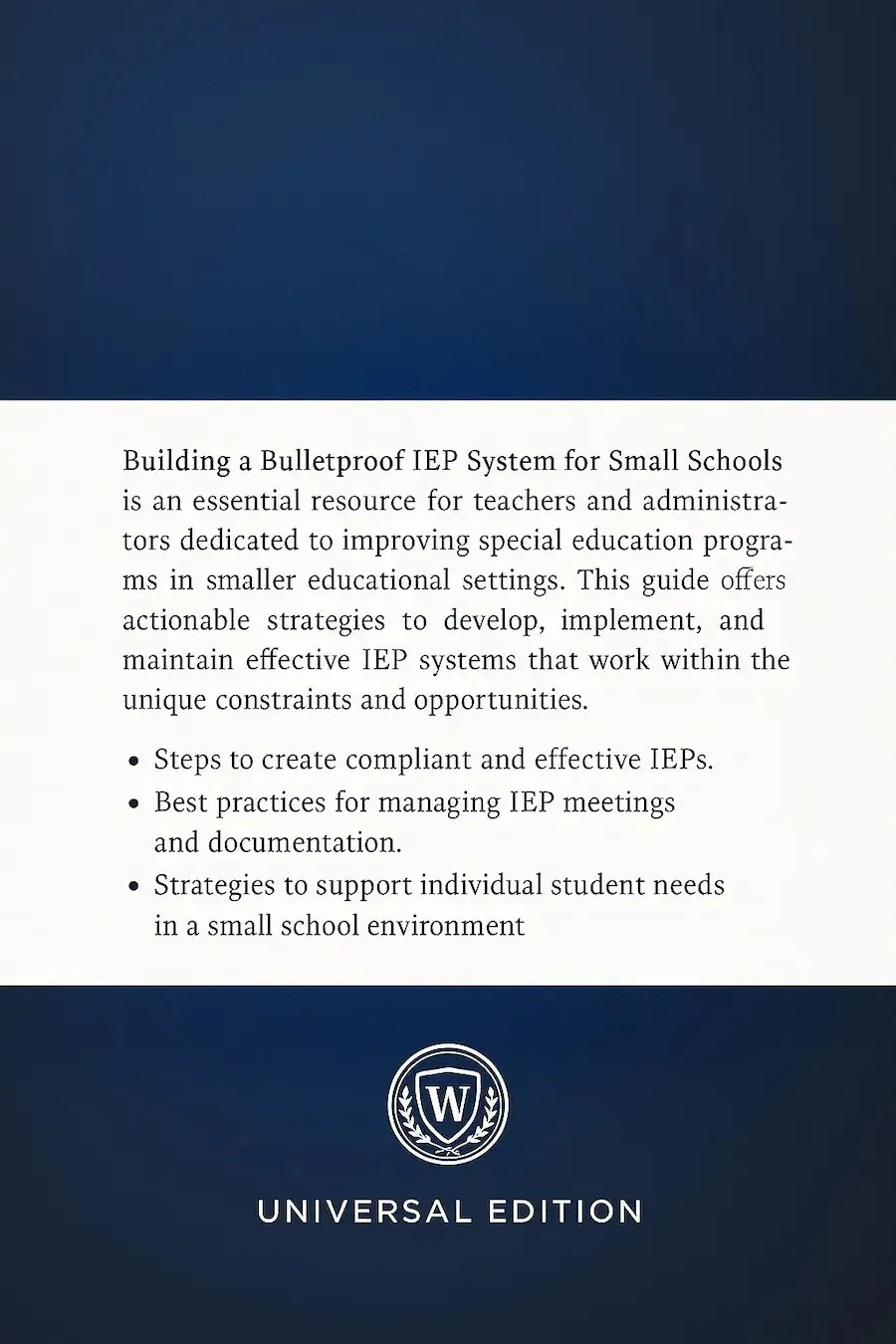
A consultation can help you decide whether a conversation, checklist, or guide is the best next step. When a meeting is close, the free IEP meeting checklist can help you organize what to bring and what to confirm before you leave. It is a useful starting point when you need structure quickly.
For families who want to understand an IEP with their middle or high school student, Own Your IEP™ offers a plain-English guide to the plan, goals, services, and meeting roles. Families focused on accommodations can explore 504 plan guidance for parents. The right resource should make the next conversation easier to have, not create more to manage.
A focused 30 minutes
Come with the real concern, then choose the next move.
- Choose a time. Book a free 30-minute consultation that fits your schedule.
- Bring what is happening. Share the plan, upcoming meeting, school concern, or question that feels most important right now.
- Leave with direction. Identify what to ask, what to prepare, or which resource will help you move forward.
Free consultation
Get a clearer way to approach the next school conversation.
Bring the details in front of you, then focus on the question that will help your child most right now.
Frequently asked questions
What does an educational consultant help parents with?
An educational consultant can help a parent sort through a school concern, understand the documents in front of them, prepare for a meeting, and choose practical questions for the people involved. Wales Education Consulting focuses on IEPs, 504 plans, student participation, and the school conversations that affect how support works day to day.
Is this the same as legal advocacy?
No. Wales Education Consulting offers practical educational consultation, not legal advice or representation in a dispute. The focus is on helping you understand the situation, prepare for a productive conversation, and decide what information or resource will be useful next.
Can I book before my child has an IEP or 504 plan?
Yes. You may be trying to understand a concern at school, preparing for an evaluation conversation, or deciding what questions to ask before a plan is proposed. You do not need to wait until every document is finished to talk through what is happening.
What should I bring to the consultation?
Bring the question that is taking up the most space right now. A current plan, school emails, progress information, notes from your child, or an upcoming meeting notice can be useful, but a perfectly organized file is not required.